Year: 2024
Timeline: 2024 - 2025 - Ongoing
Project Type: Meteor Studio - Clients: University of Minnesota & Minnesota Police Department
Overview
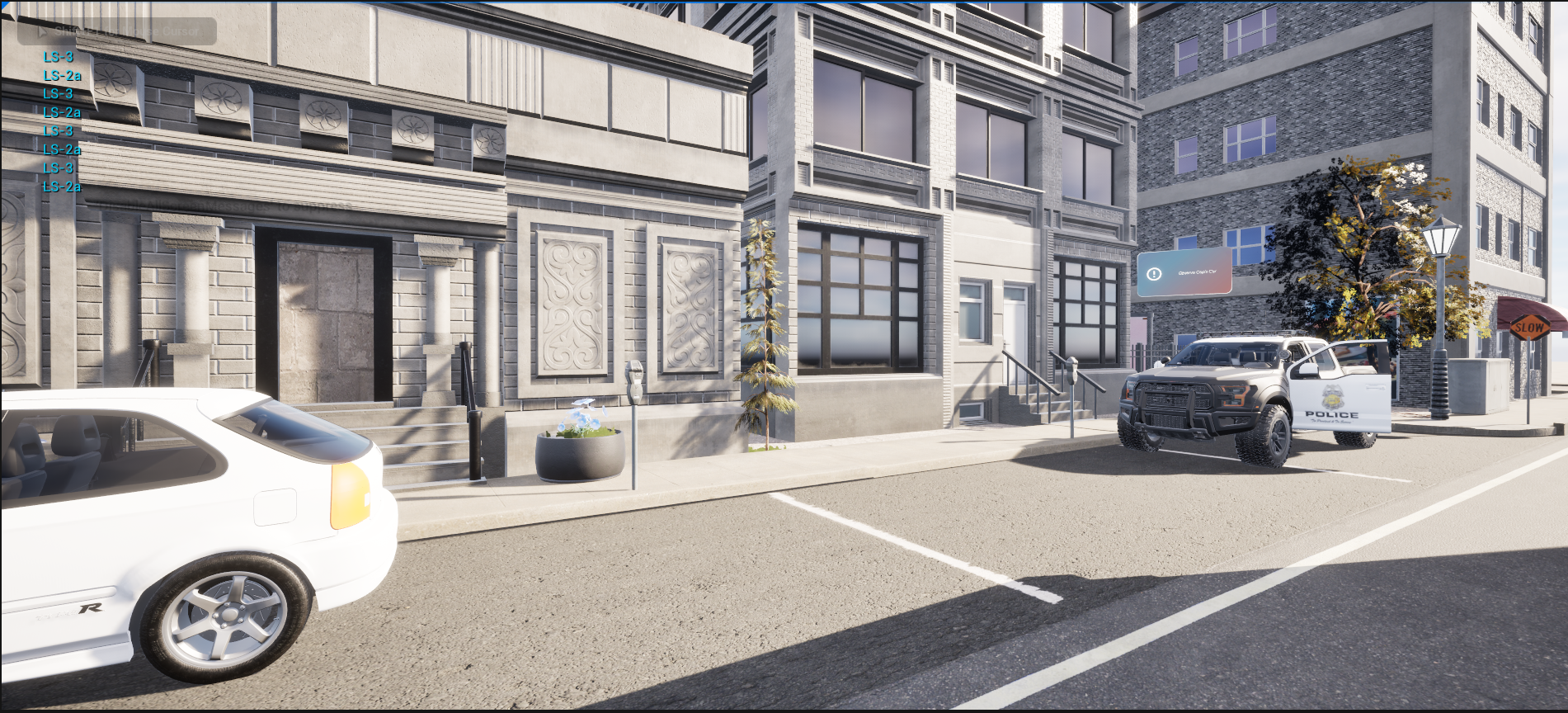
NextGen Badge is a VR simulation training platform developed for students exploring a career in criminal justice. By immersing them in emotionally charged scenarios (e.g., traffic stops and domestic disturbance calls), the simulation helps them evaluate whether they’re suited for real-world law enforcement challenges, not just technically, but emotionally.
Project Core
Need a safe, and controlled environment to train the next generation of students exploring a career in criminal justice.
Minnesota Police Training VR Simulation blends realism, empathy training, and critical decision-making into a safe, repeatable VR environment built in Unreal Engine 5 with MetaHuman characters.
Project Timeline
Phase
Timeframe
Project Kickoff
June 2024
Script Development & Scenario
July – Oct 2024
Traffic Stop (TS) Scenario
Nov – Feb 2024
Domestic Call (DC) Scenario
Feb 2024 – Ongoing 2025
Prototype Testing + Iterations
Feb – May 2025
Ongoing Polish, User Testing
May – Dec 2025
Final Result
My Role
Creative Lead
I served as the Creative Lead, shaping the overall vision, narrative tone, interaction flow, and emotional rhythm of the experience. I worked closely with designers, artists, writers, and developers to ensure every moment felt intentional, immersive, and aligned with the project’s core goals.
- Establishing the creative vision, narrative structure, and experiential tone for the VR world
- Leading ideation for environments, characters, emotional beats, and key interaction moments
- Designing user interaction and VR interface systems, including gesture interactions, spatial UI layouts, tooltips, and diegetic dialogue display
- Providing art direction, including mood boards, visual language, scene composition, and lighting references.
- Supervising 3D modeling, animation, and character performance, ensuring assets aligned with the narrative and design intent.
- Partnering with cross-functional teams such as the engineering team, product manager, and fellow designers to translate creative intentions into feasible interactive systems.
- Reviewing 3D elements and scenario builds and giving creative notes on pacing, clarity, emotional resonance, and visual cohesion.
- Ensuring storytelling elements across art, UX, audio, and gameplay supported a unified creative direction
As a creative lead, I connect the vision across disciplines and making sure the final VR experience delivered clarity, emotion, and a strong sense of presence.
Sound Designer
- Define spatial audio cues, soundscapes, and interaction-driven responses.
- Creating sound mixes and arranging audio clips to play in time sequence in Unreal Engine 5.
- Designed complete sound effects for both (Domestic Call/Traffic Stop) of the experiences.
- Processed and engineered audio and dialogues for Domestic Call/Traffic Stop.
Level Sequencer
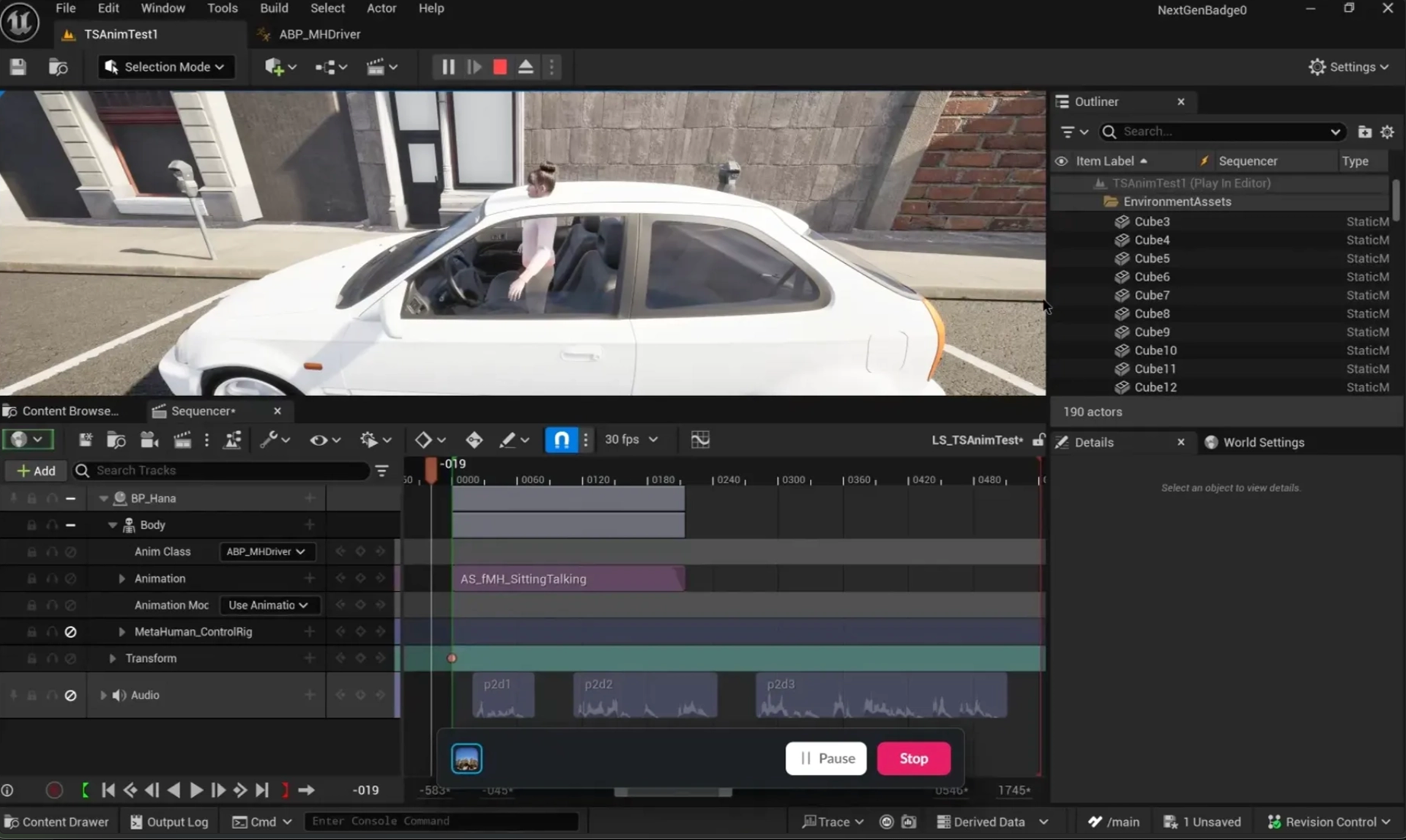
Unreal Engine 5 - Sequencer (stems of audio, dialogues, animation, animation motion builder sequence, metahuman - control rig, and class blueprint sequence).
User Experience Designer
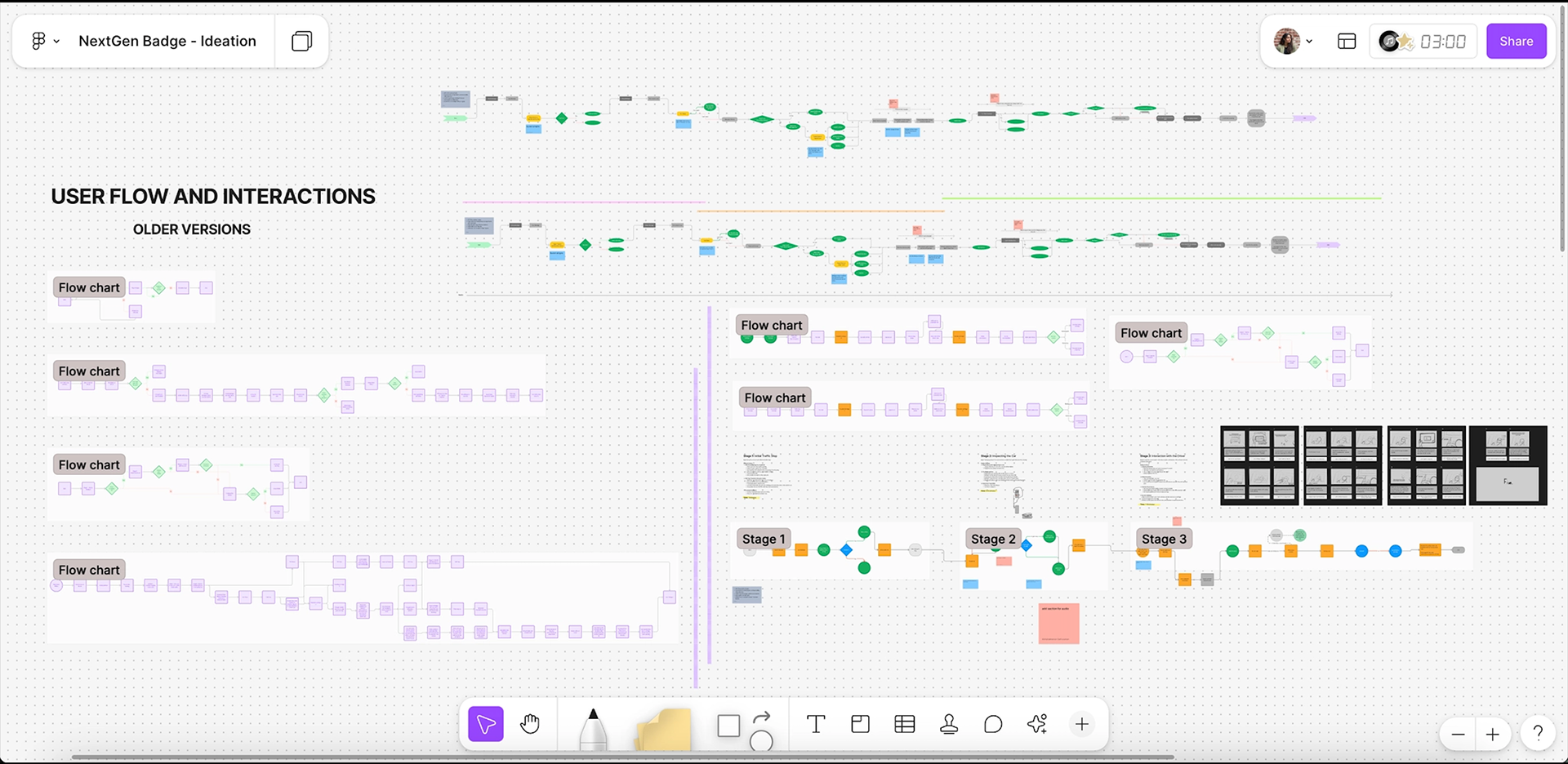
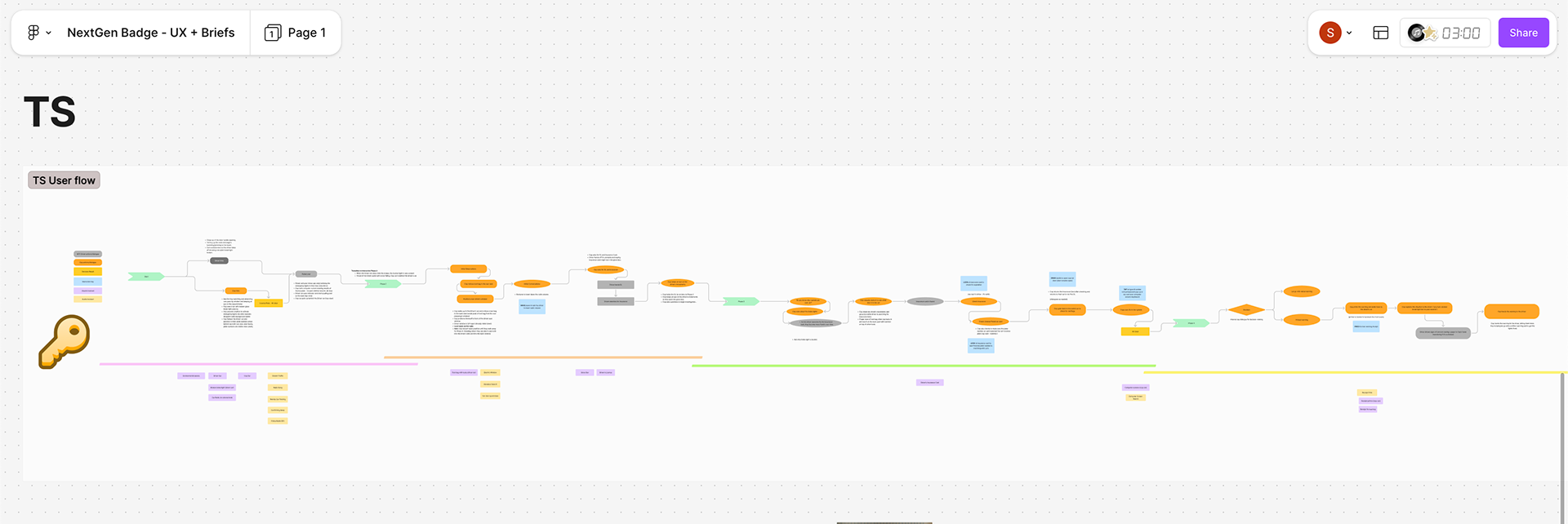
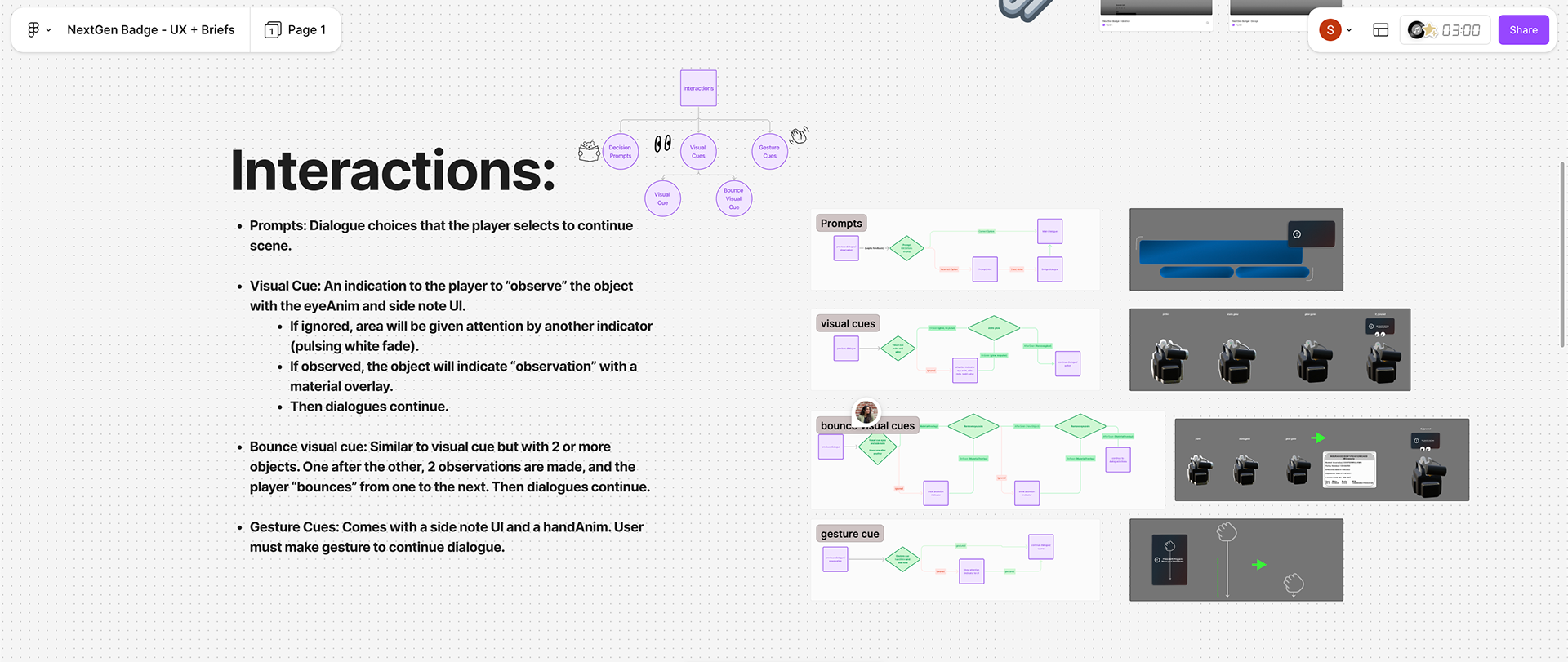

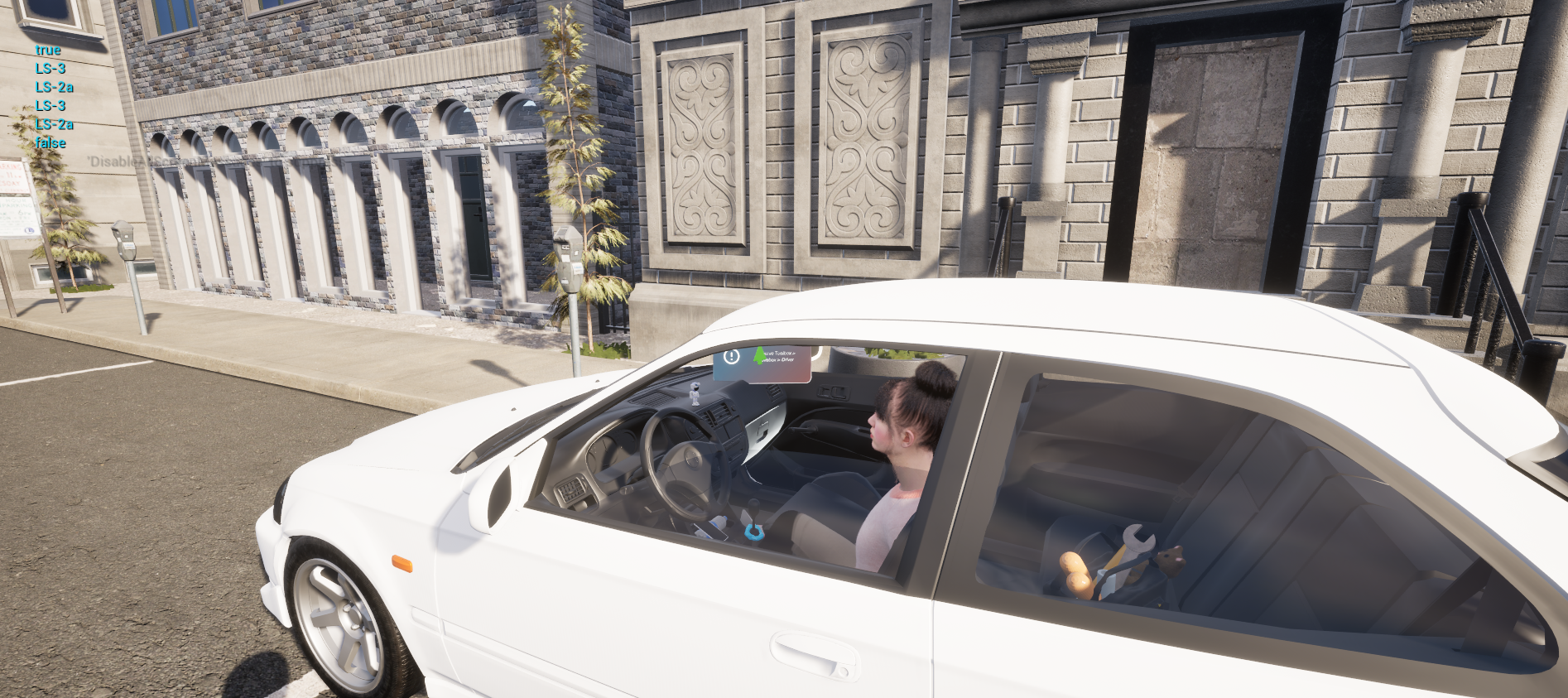
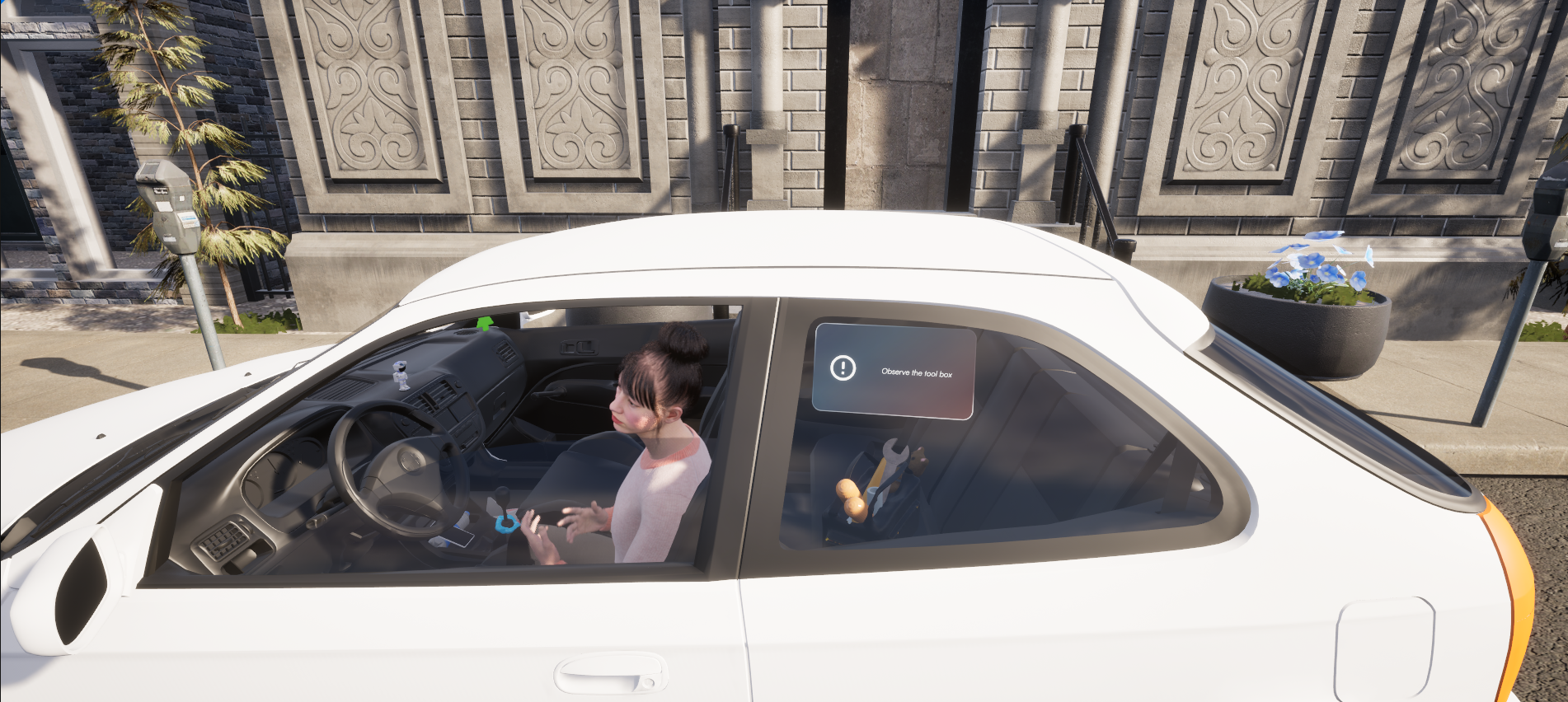
Designed a clear, step-by-step interaction flow that guides the player through each phase of the traffic-stop scenario, ensuring the experience feels intuitive, readable, and grounded in real procedures. The layout, pacing, and visual hierarchy help users understand context quickly and stay focused on decision-making at every stage.
Visual Designer
As a creative lead, I provide art direction, including mood boards, visual language, scene composition, and lighting references.
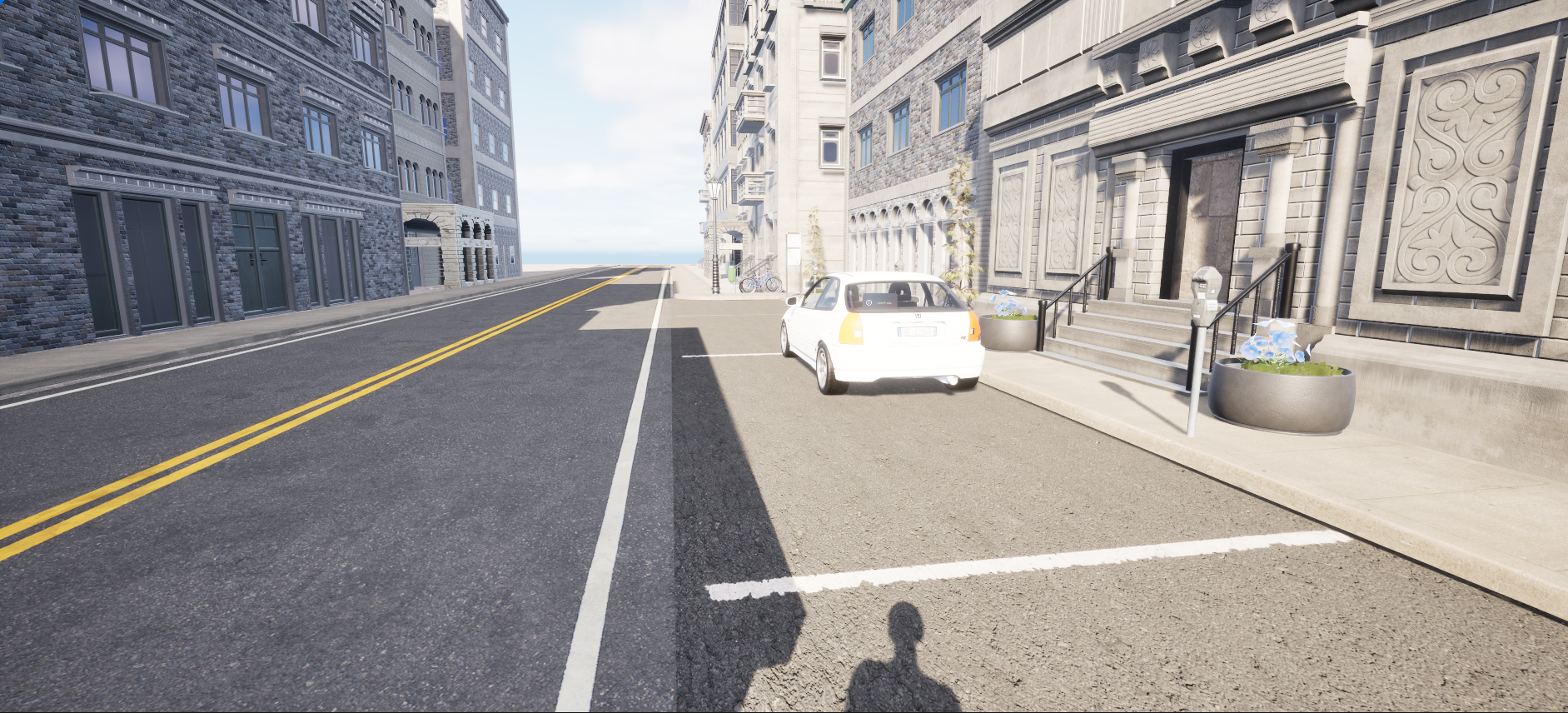
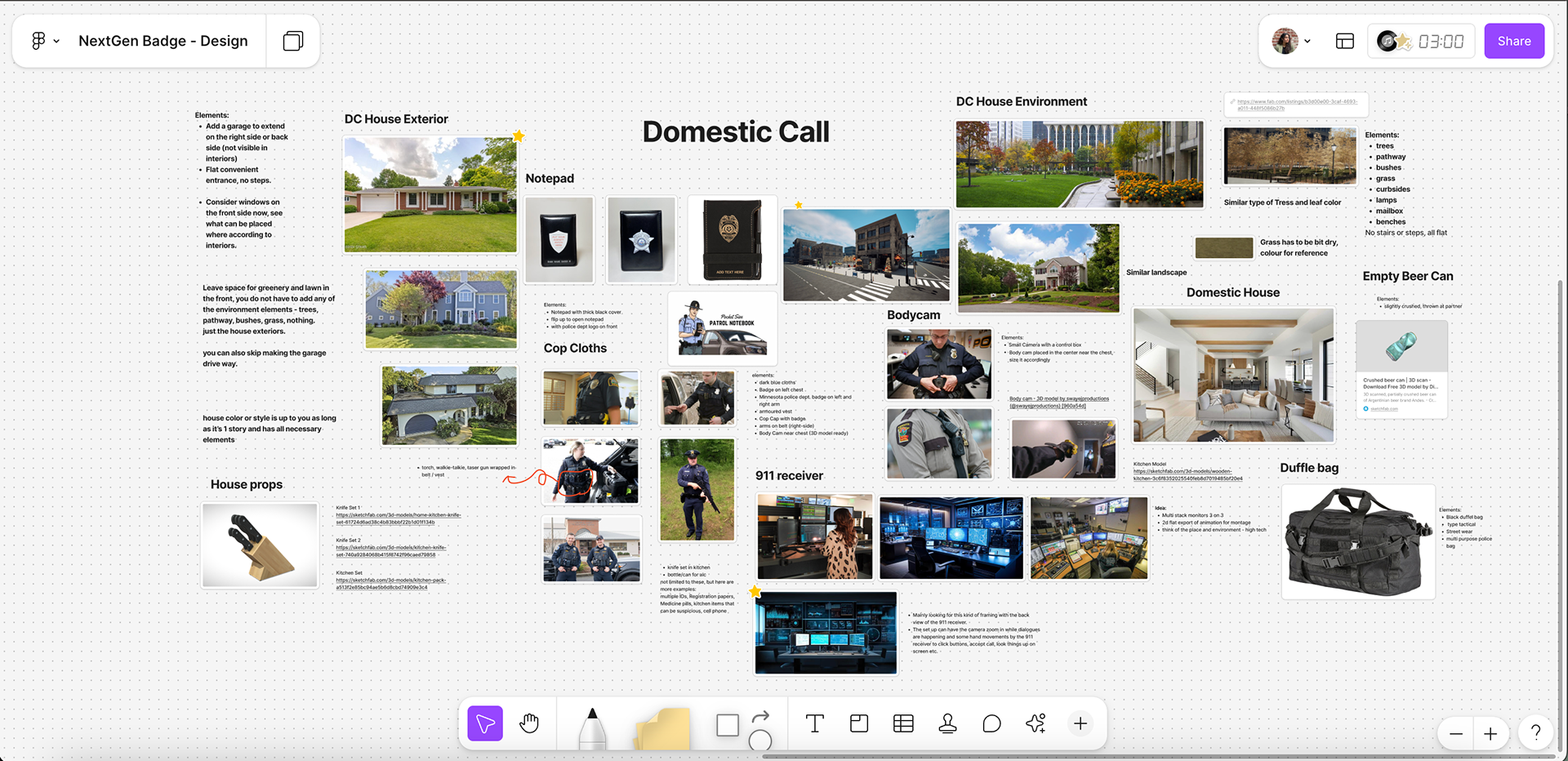
The simulation is built with Meta-human characters and hyper realistic art style, where the environment and creative decision is grounded in the familiar landscape of Minnesota to encourage them to practice confrontation alongside emotional intelligence in each situation.
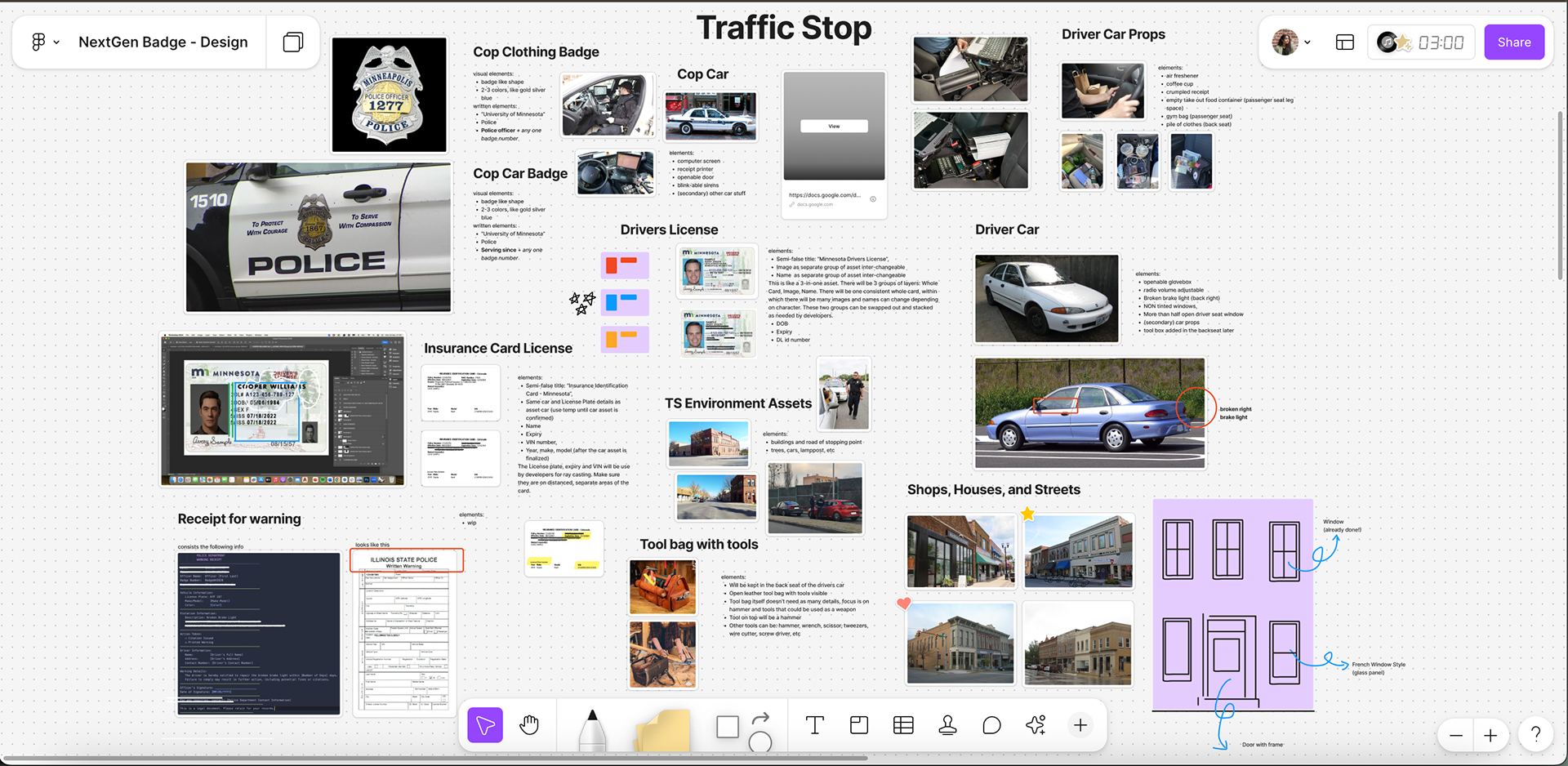
Supervising scenarios, characters, and 3D models, ensuring assets aligned with the narrative and design intent.
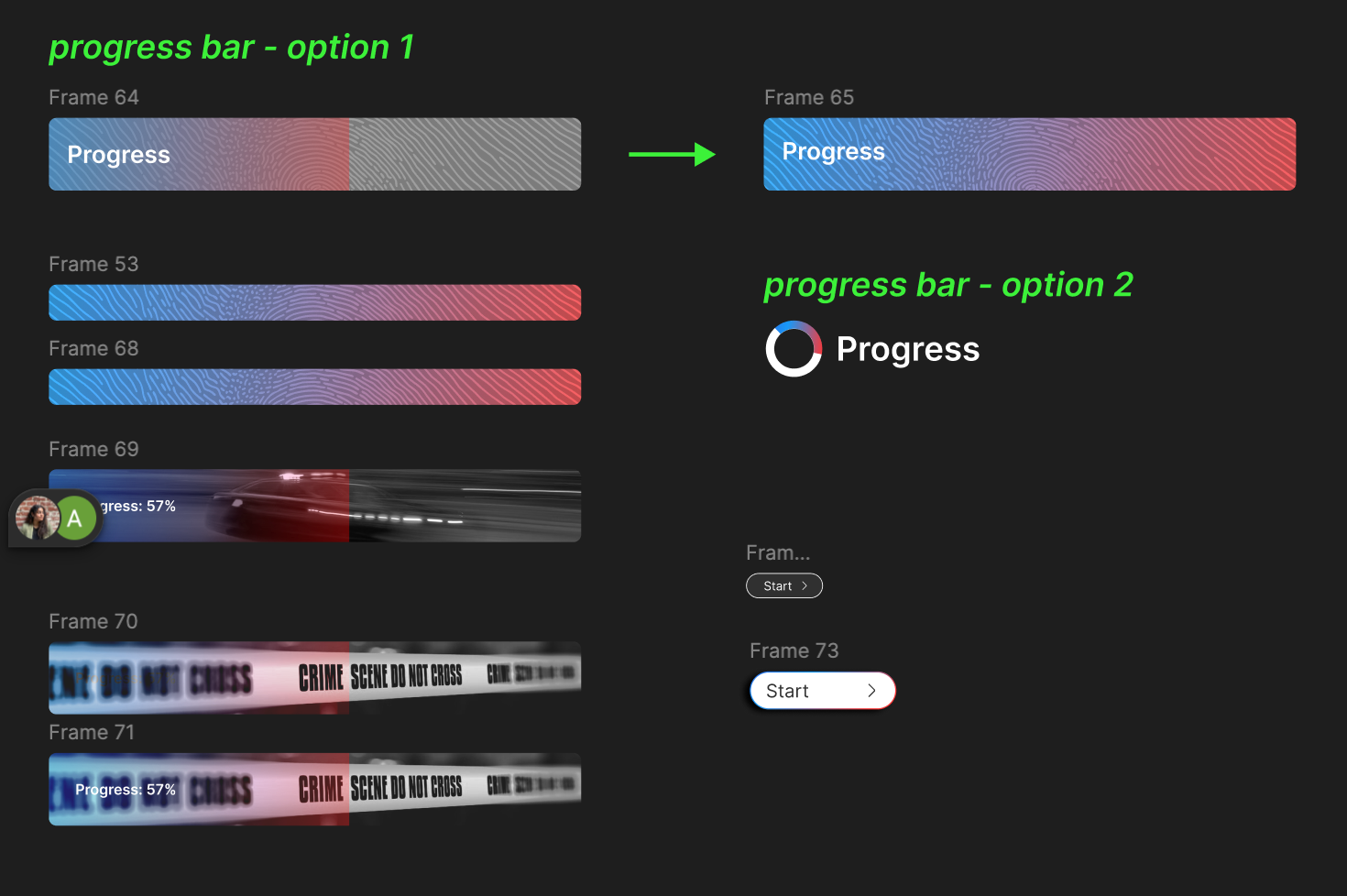
UI Components
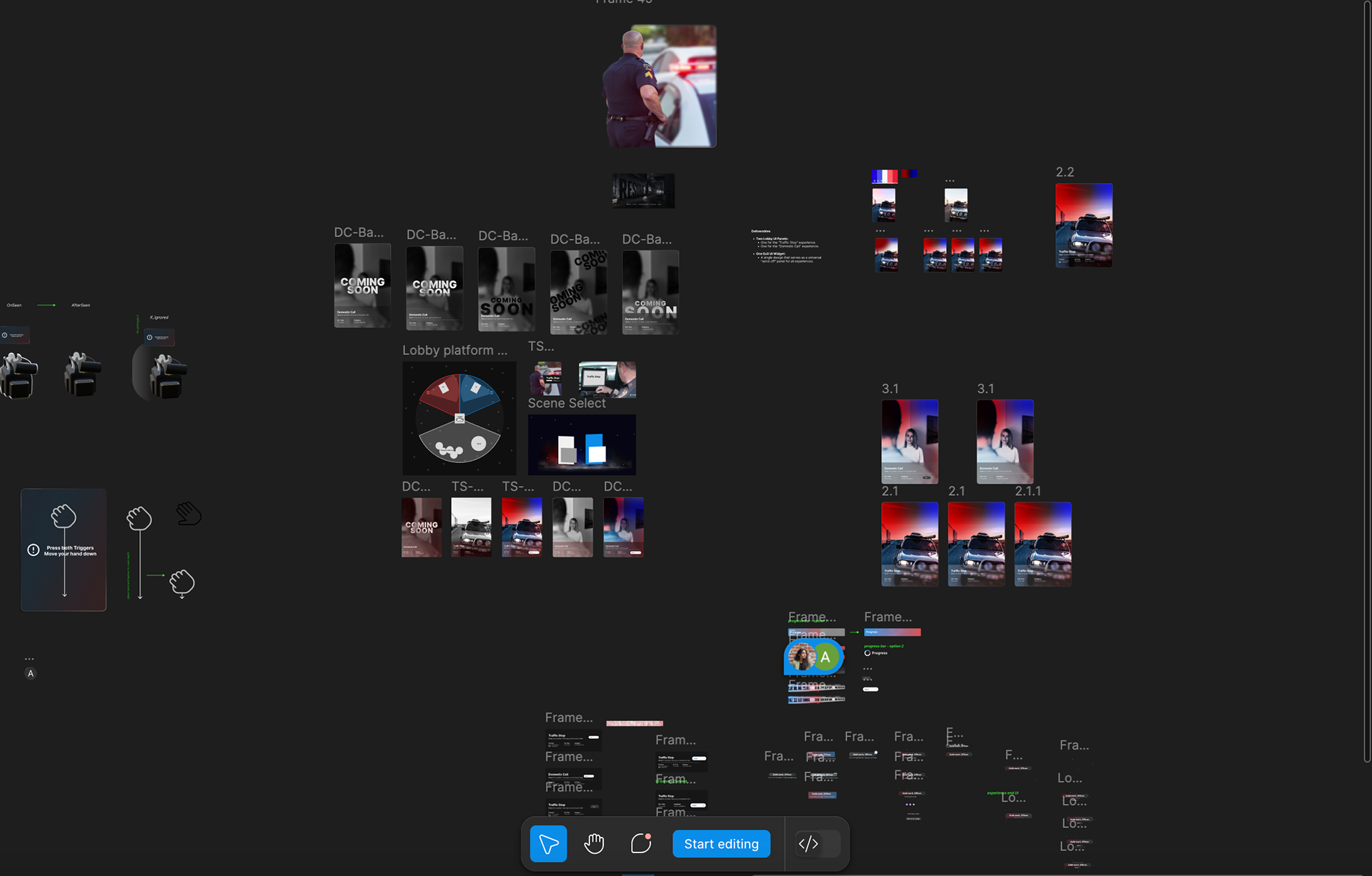
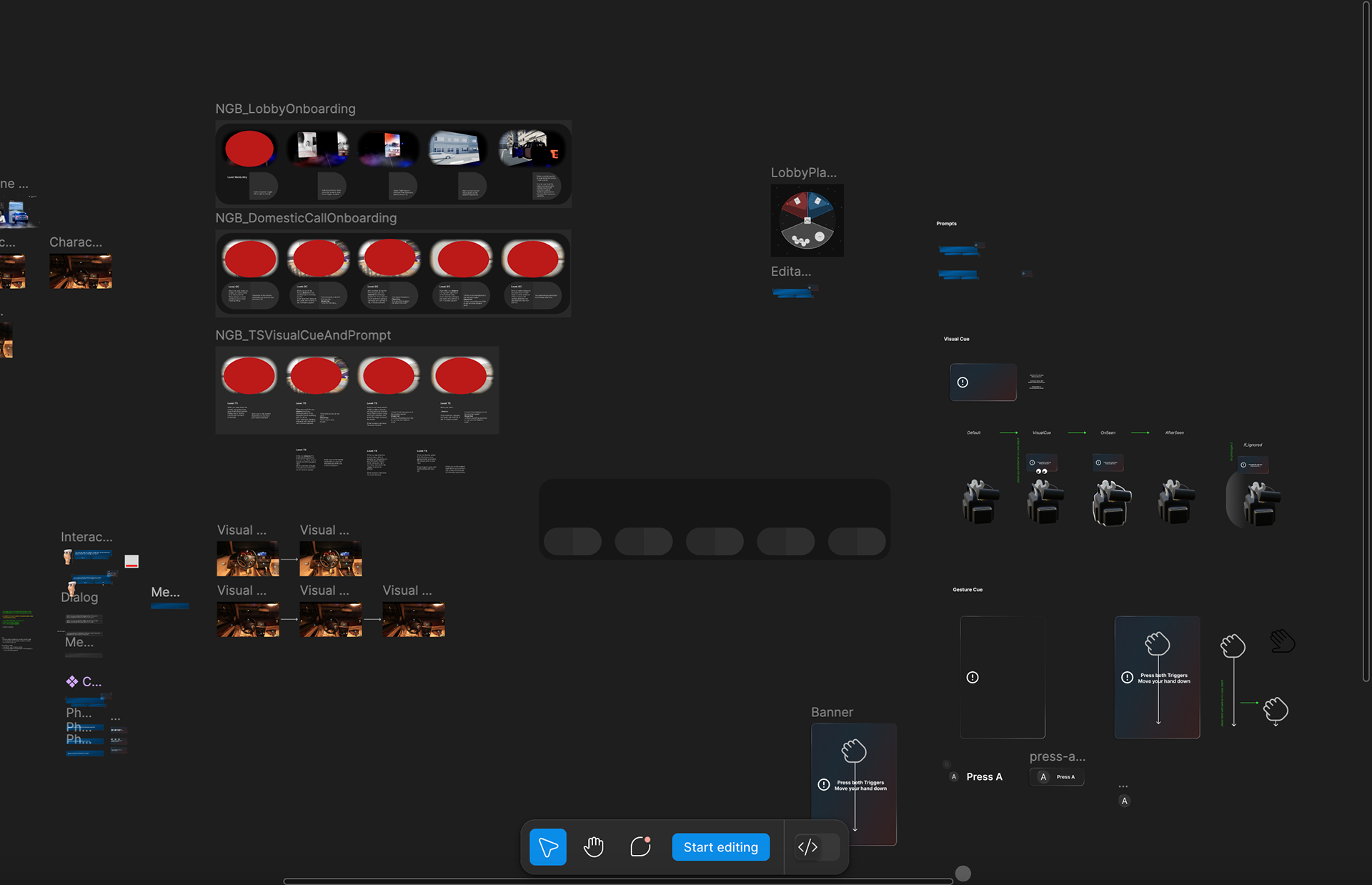
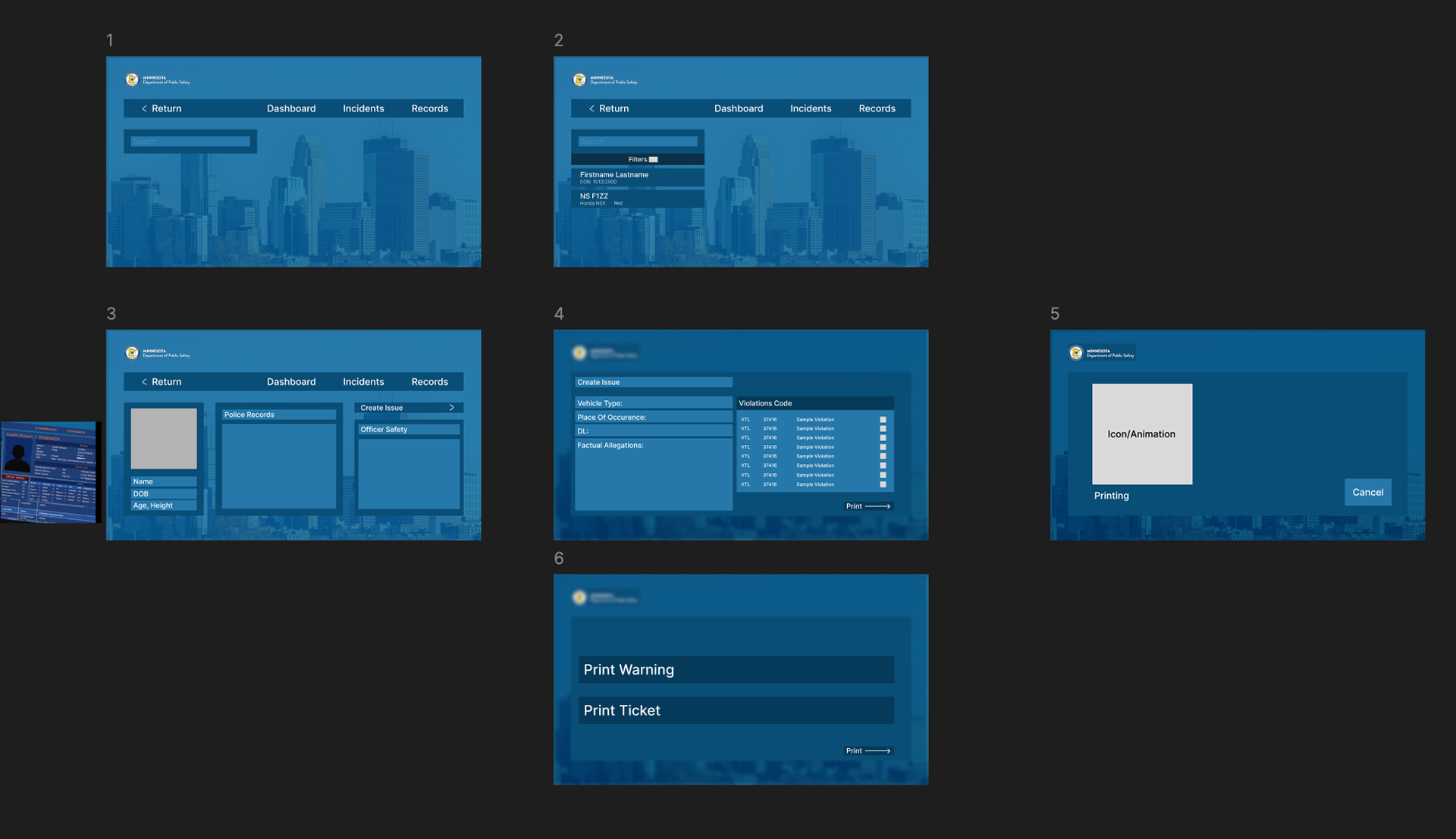

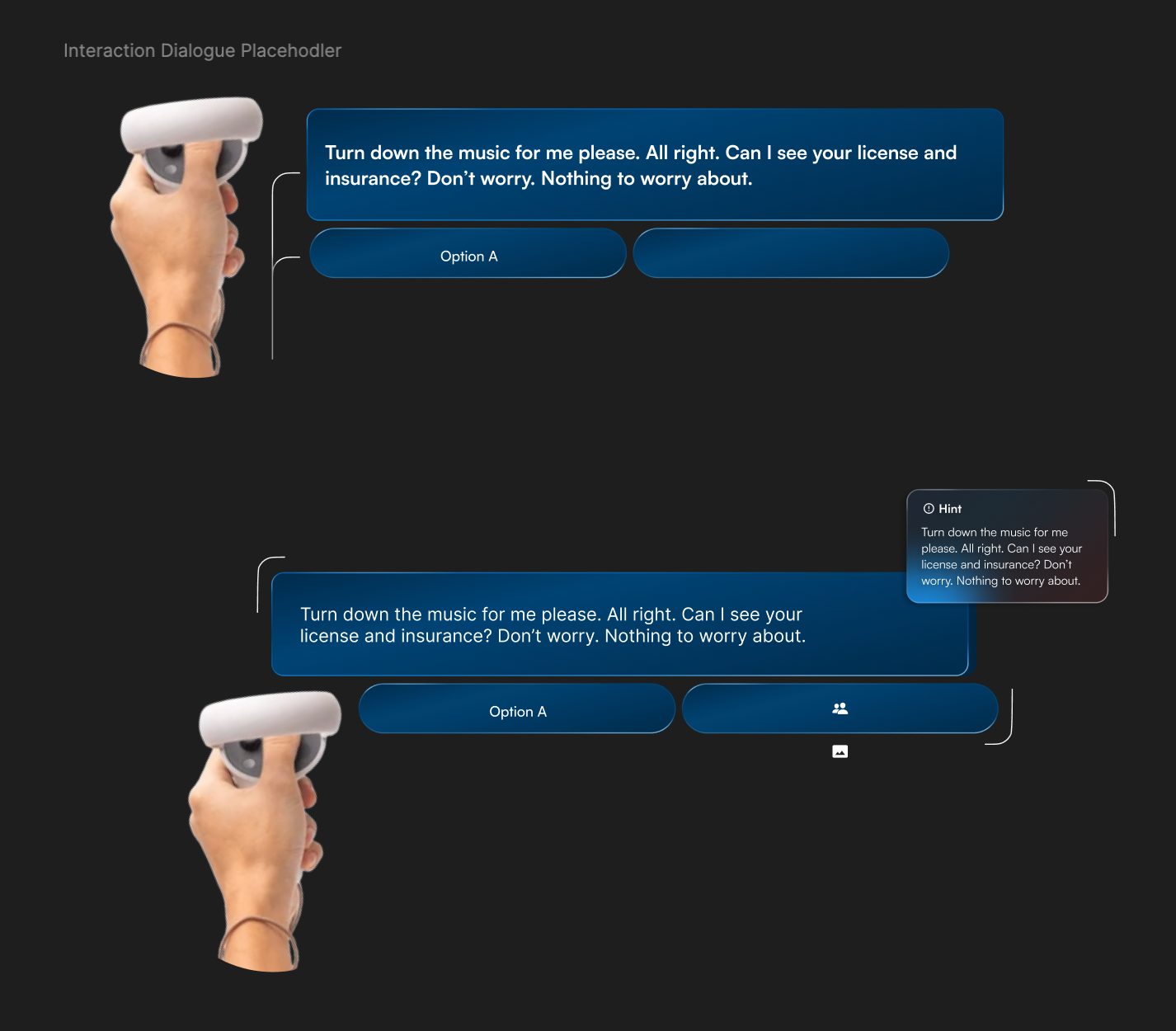
<About ui write something>
asdasdasdasd
3D Models and Textures
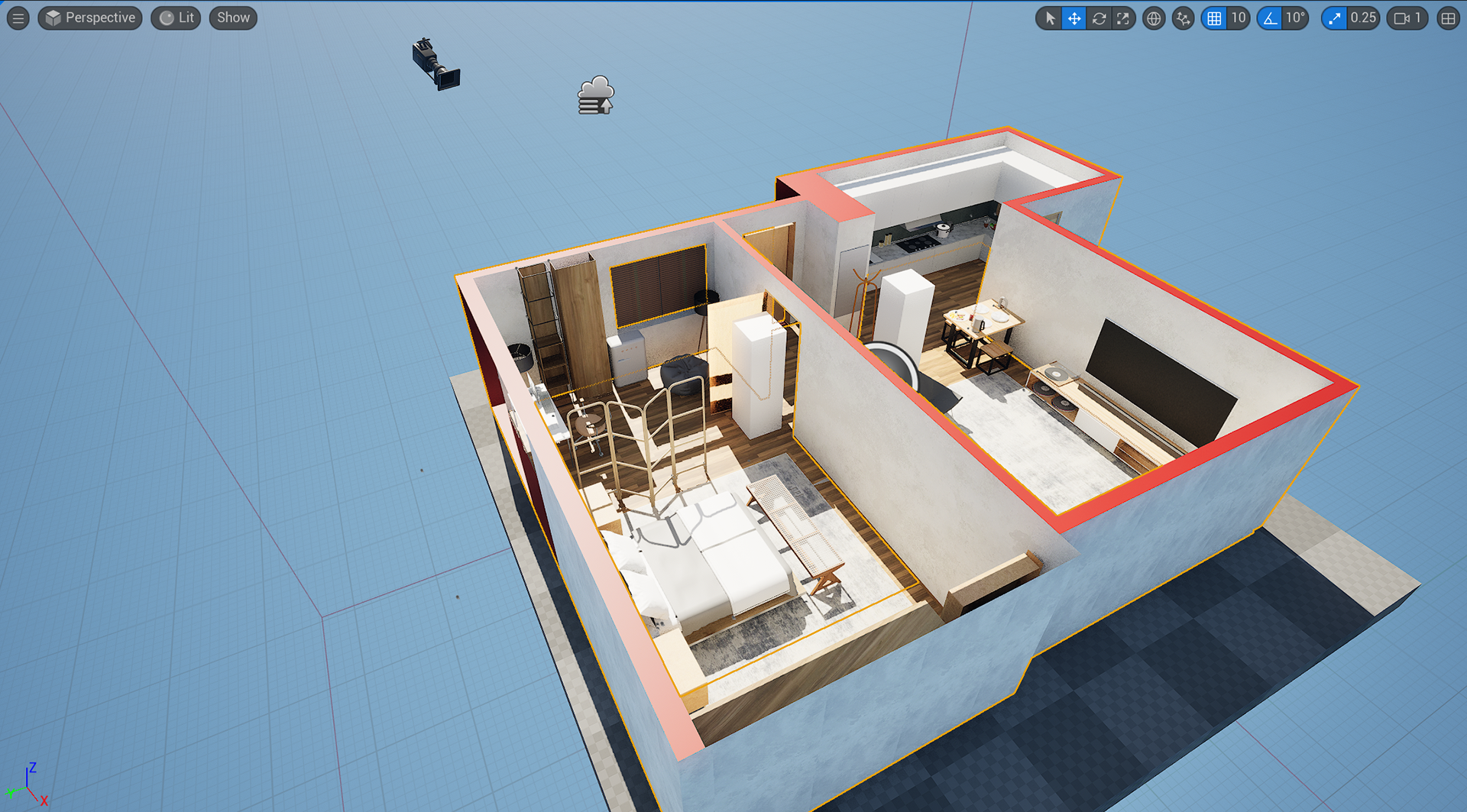
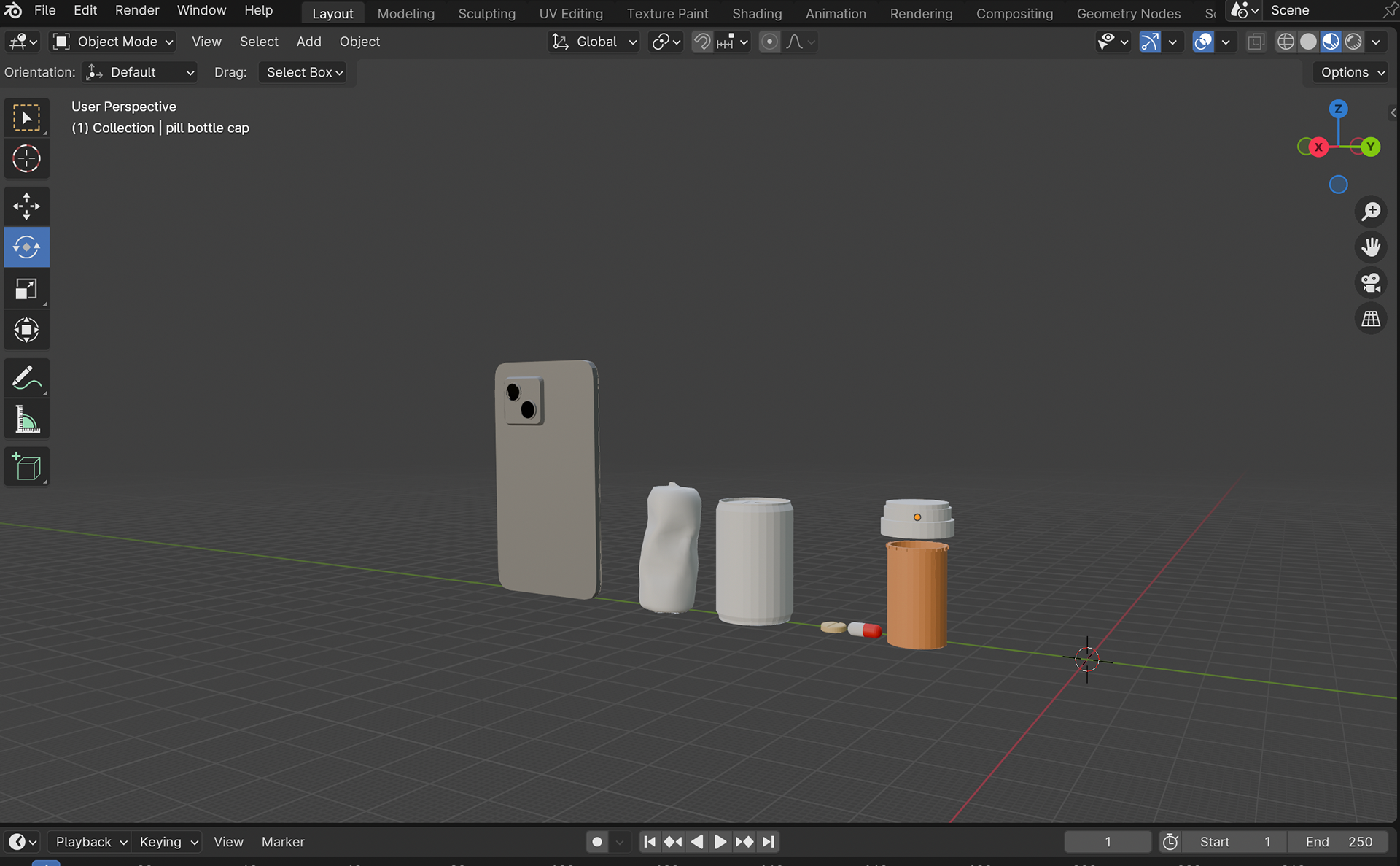
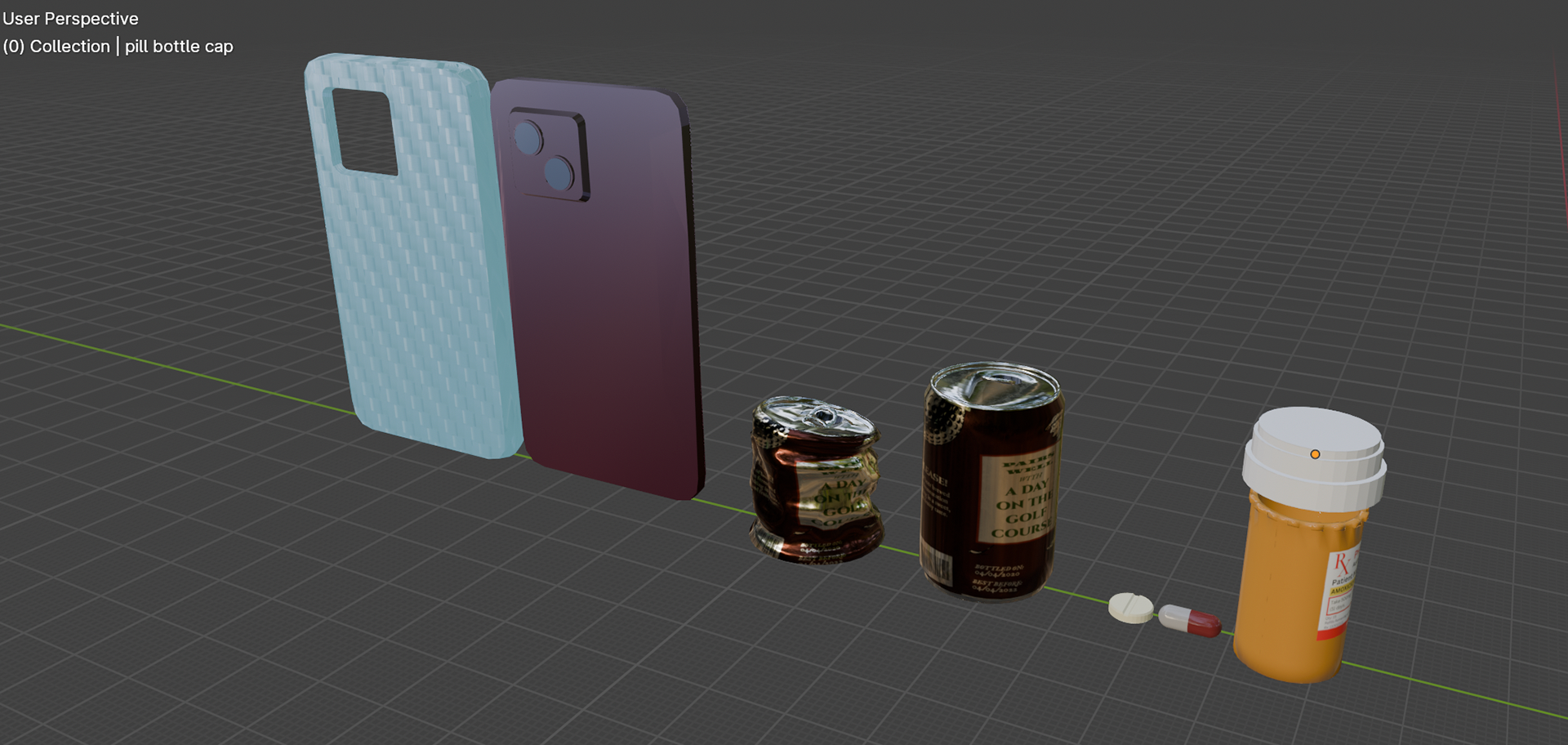
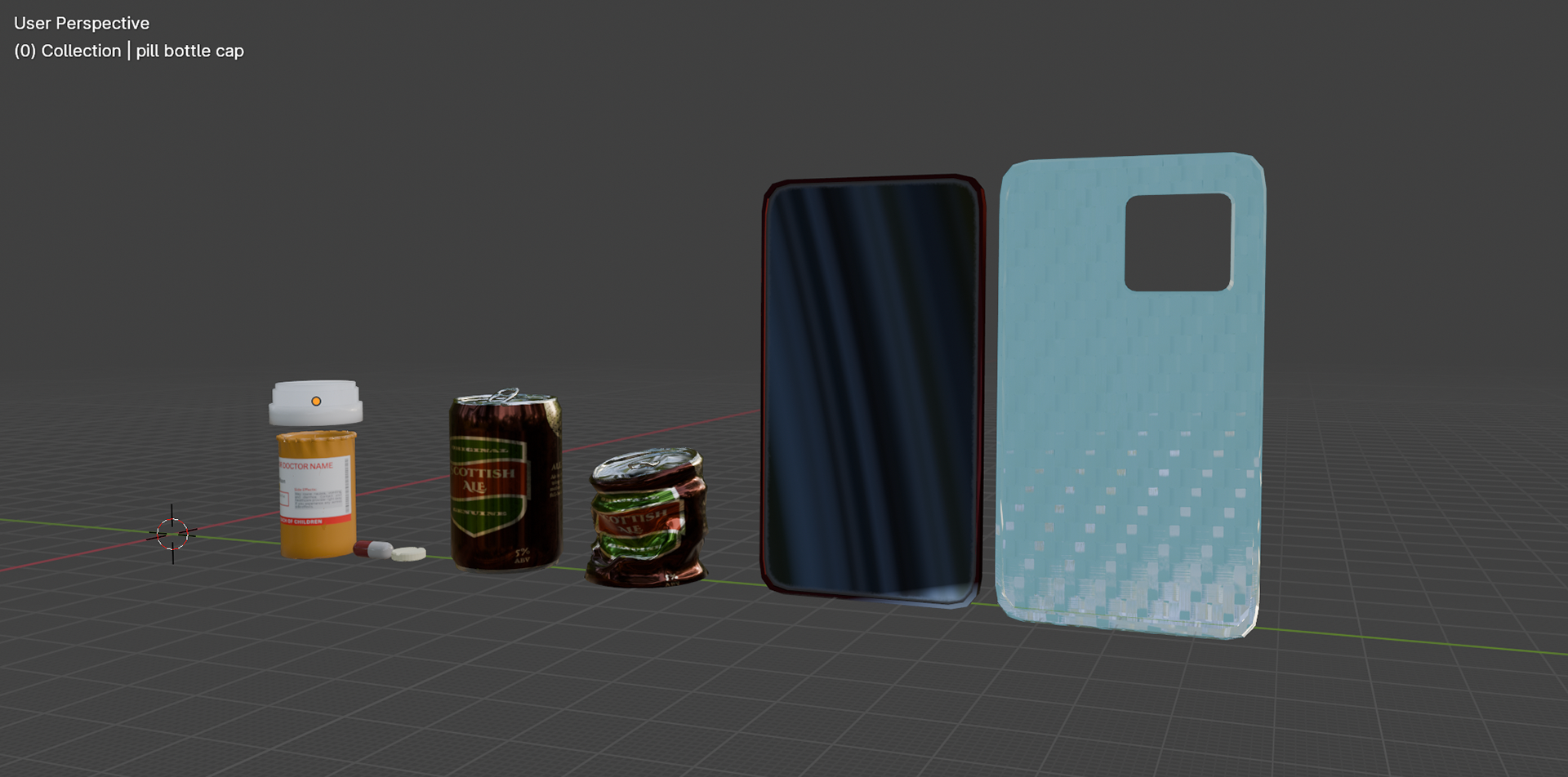
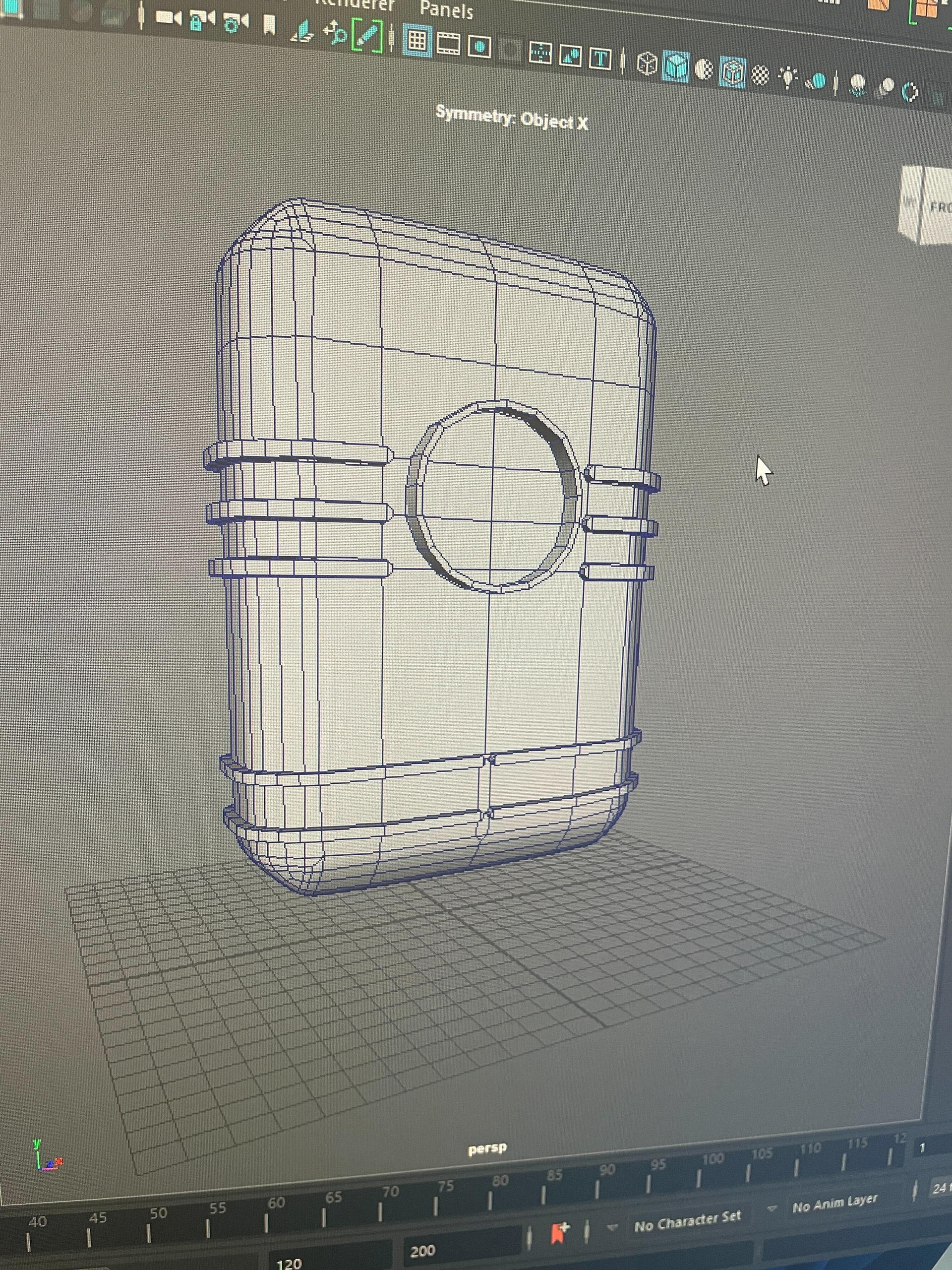
Snippet into a version of the VR experience